David Walliams: Should Alleged Sex Offenders Remain Anonymous? (Guest Harvey Proctor)
-
play_circle_filled
David Walliams: Should Alleged Sex Offenders Remain Anonymous? (Guest Harvey Proctor)
Niall Boylan
Should People Accused of Sexual Offences Remain Anonymous?
In this episode, Niall speaks to former UK Conservative MP Harvey Proctor, a man who knows firsthand the devastating consequences of false allegations. Harvey has twice found himself at the centre of serious allegations which he maintains were false, with both experiences having a profound impact on his reputation, career and personal life.
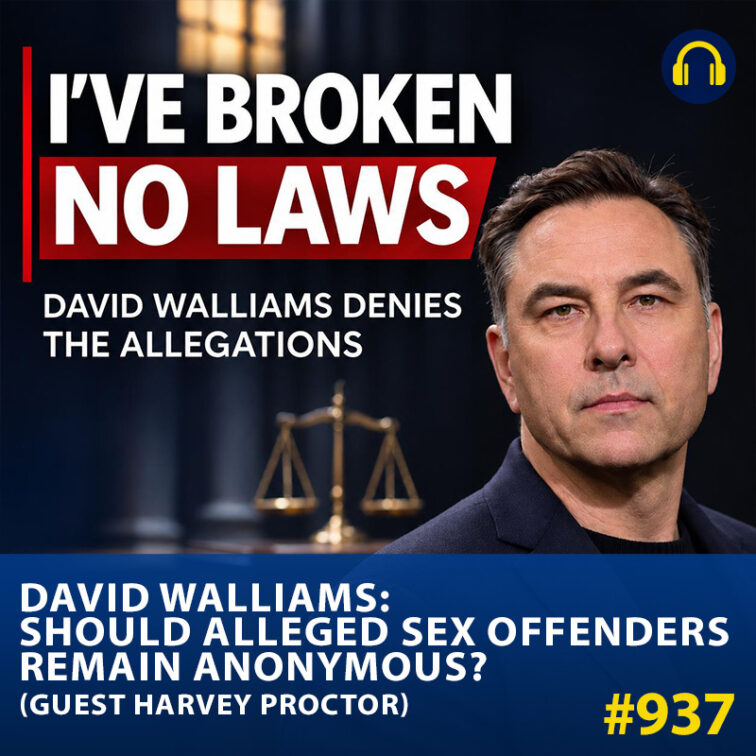
The discussion follows the controversy surrounding comedian and author David Walliams, who has been publicly named after losing a High Court battle to prevent the publication of allegations of sexual misconduct, including claims involving girls as young as 15. Walliams strongly denies the allegations and insists he has broken no law.
But should someone’s reputation and livelihood be put at risk before they have even been charged with a crime, never mind convicted?
Supporters of publicly naming suspects argue that publicity can encourage other potential victims to come forward, helping police establish whether there is a wider pattern of offending. Critics argue that once an accusation becomes public, the damage can be irreversible, even if the person is subsequently cleared.
Drawing on Harvey Proctor’s personal experiences, Niall explores the devastating impact of false accusations, the presumption of innocence, the rights of alleged victims and the responsibilities of the police and media.
Should anyone accused of a sexual offence be entitled to anonymity until proven guilty, or does protecting potential victims and the wider public justify naming suspects before a trial?