Homeschooling, Opting Out of the New Curriculum To Avoid Ideology. Episode 668
-
play_circle_filled
Homeschooling, Opting Out of the New Curriculum To Avoid Ideology. Episode 668
Niall Boylan
In this episode, Niall speaks to education commentator Jana Lundan about the upcoming Convention on Education and the National Conversation on Education, a major initiative that will help shape the future of Ireland’s school system.
Chaired by Anne Looney, the Convention will meet over four weekends in 2026 — March 21–22, May 9–10, September 26–27, and November 14–15 — bringing together 150 participants from four groups: 30 children and young people, 30 parents and guardians, 30 school employees and early years educators, and 60 education stakeholders.
The focus will centre on primary and post-primary education, key transitions within the system, what is working well, what challenges need urgent attention, and what changes may be needed in the years ahead. The recommendations from the Convention will feed directly into a new long-term strategy from the Department of Education and Youth.
But Jana argues there’s a problem.
She believes many parents are largely unaware that this Convention is even happening — and questions whether that lack of visibility is accidental. With the expression of interest process now closed and selected members due to be notified by 28 February 2026, she says parents are being “hoodwinked” out of meaningful involvement in decisions that will affect their children’s future.
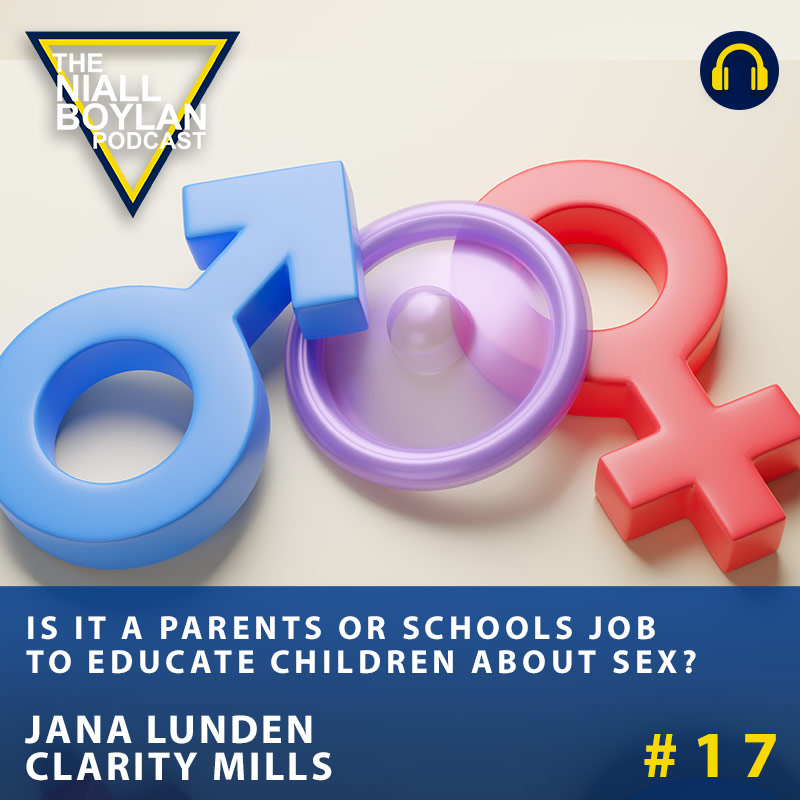
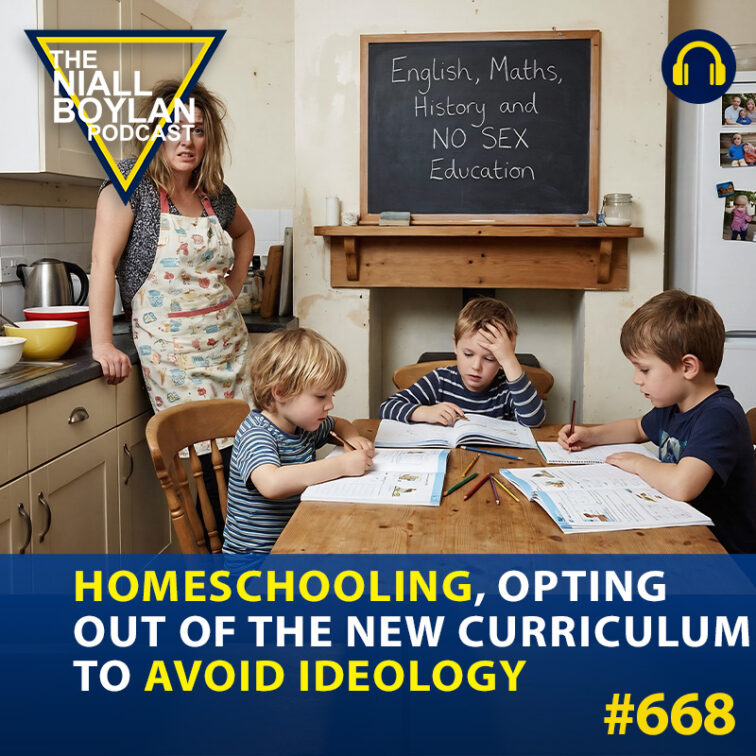
The conversation also explores another trend raising eyebrows: the steady increase in homeschooling across Ireland. Niall shares that he recently spoke to a mother who chose to homeschool because she disagrees with aspects of the moral and relationship education curriculum. With no formal qualifications required to homeschool, and some parents having limited educational backgrounds themselves, it raises a challenging question:
Are homeschooled children at an advantage — benefiting from tailored, values-based learning — or are they potentially missing out on broader academic and social development?
It’s a lively and thought-provoking discussion about transparency, parental voice, educational standards, and who ultimately gets to shape the future of Irish education.